
Fire Door Inspections in Brighton and Hove
Fire doors are an important part of a building’s fire safety measures. To perform as intended, they need to be in suitable condition, with their key components working correctly.
IFRA provides fire door inspection services for residential and commercial properties in Brighton and Hove and the surrounding areas. Our inspections help identify visible damage, defects and potential issues that may affect a fire door’s ability to perform its intended function.
Whether you’re a landlord, property manager, freeholder or business owner, we’re here to help you take a considered approach to fire door safety.
Contact IFRA to discuss arranging an inspection.
Protect your property
Help keep people safe
Get in touch with IFRA today
Why are fire door inspections important?
Fire doors are designed to help restrict the spread of fire and smoke, supporting the building’s wider fire safety strategy. However, everyday use, accidental damage, wear and tear or inappropriate alterations can compromise their condition.
An inspection helps establish whether there are defects that need attention and whether further investigation or remedial work should be considered.
For those responsible for a property, inspections can also help support maintenance planning and the keeping of appropriate fire safety records.
Fire doors should not simply be assumed to be safe because they look intact. Their condition, installation and key components all matter.

What does a fire door inspection cover?
The precise scope depends on the property, door type and inspection requirements. An inspection may include the following areas.
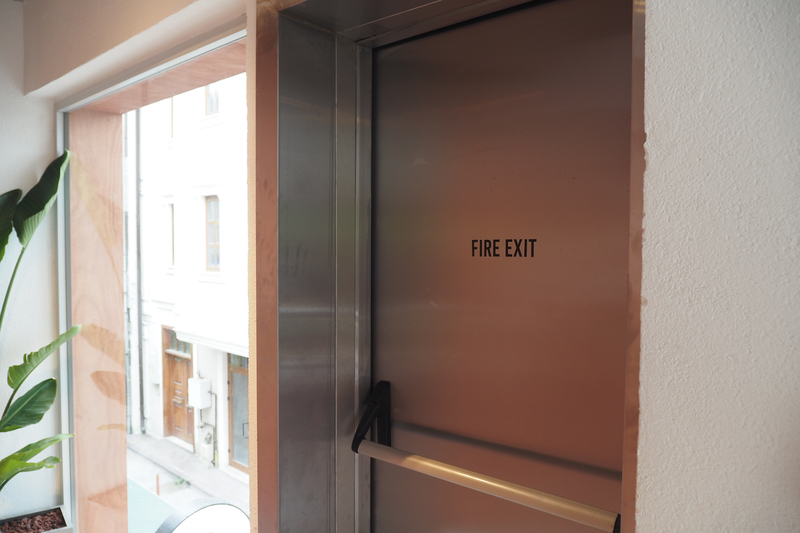
1. Door leaf and frame
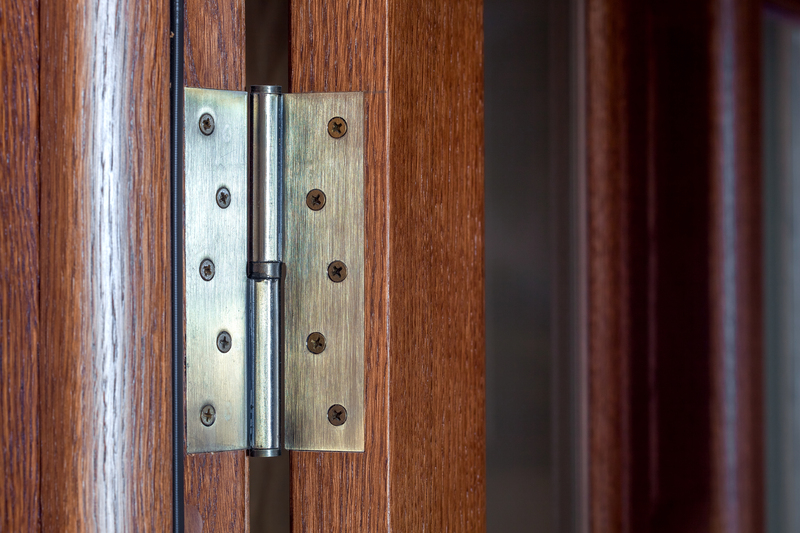
2. Hinges and ironmongery
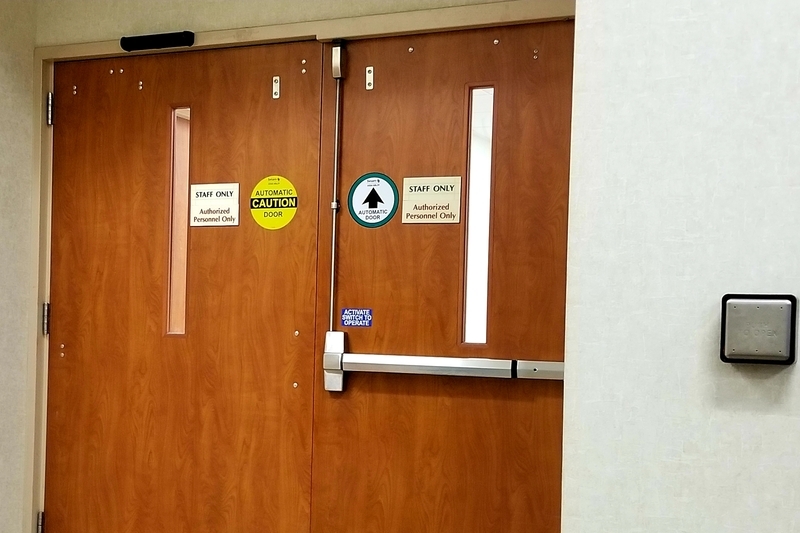
3. Self-closing mechanisms
Checking whether the door closes correctly, where applicable, and whether the closer appears damaged or is operating improperly.

4. Intumescent strips and smoke seals
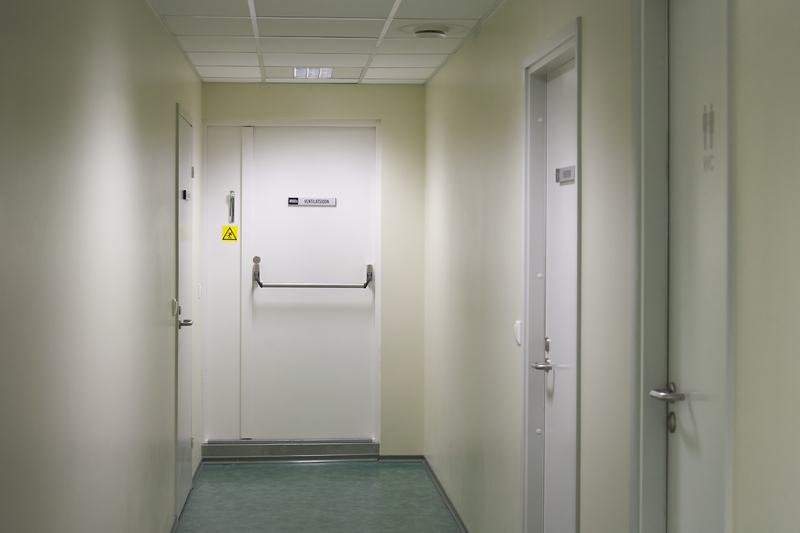
5. Gaps and alignment
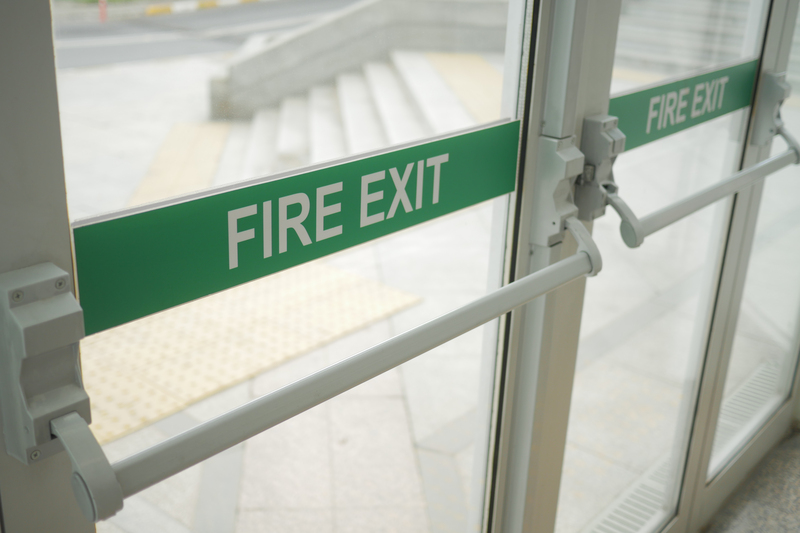
6. Glazing, signage and other features
Fire door inspections for residential and commercial properties
- Landlords and Property Managers
Managing multiple properties or a block of flats can make it difficult to keep track of inspections and maintenance requirements.
A planned approach to fire door inspections can help you identify issues, prioritise remedial work and keep relevant information organised.
- Residential Buildings
Fire doors in blocks of flats, houses in multiple occupation (HMOs) and other residential properties can be essential to protecting shared escape routes and separating individual dwellings from communal areas.
IFRA can discuss inspection requirements for flat entrance doors, communal corridors, stairwells and other relevant areas, depending on the building and the agreed service.
- Commercial Premises
In workplaces and commercial buildings, fire doors may protect escape routes, divide different parts of a building or protect service areas.
Regular attention to their condition can help those responsible for the premises identify defects, arrange appropriate maintenance and maintain records of fire safety measures.
Fire door inspection reports and remedial work
Identifying a defect is only the first step. It’s also important to understand what needs to happen next.
Subject to the agreed service, inspection findings may be documented to help you understand:
- Which doors have been inspected.
- Any visible damage or defects identified.
- Issues affecting closing mechanisms, hardware, seals or gaps.
- Recommended maintenance, repairs or further assessment.
- Areas that require follow-up attention.
Where remedial work is necessary, the appropriate action will depend on the nature of the defect, the door’s specification and the applicable requirements. Work should be carried out by a suitably competent person and in accordance with relevant manufacturer instructions and industry guidance.
Ask IFRA about inspection reports and remedial work when you enquire.
Fire door regulations: what should property owners know?
Fire safety responsibilities depend on the building’s use, layout, height and circumstances. In England, the Regulatory Reform (Fire Safety) Order 2005 and the Fire Safety (England) Regulations 2022 are among the relevant legislation.
For multi-occupied residential buildings with two or more domestic premises and common parts, additional fire door checking requirements apply where the top storey is more than 11 metres above ground level. These include quarterly checks of communal fire doors and best-endeavours annual checks of flat entrance doors.
Other fire safety duties may apply regardless of building height. Routine visual checks also do not replace a more detailed assessment where one is needed.
The right inspection arrangements therefore depend on your property and responsibilities. IFRA can discuss your inspection needs and help you establish an appropriate next step.
Frequently Asked Questions
How often should fire doors be inspected?
The appropriate frequency depends on the building type, the applicable regulations, the fire risk assessment and the door’s use and condition. Specific legal checking requirements apply to certain multi-occupied residential buildings over 11 metres. Other properties may need different inspection and maintenance arrangements.
Who needs a fire door inspection?
Landlords, building owners, managing agents, facilities managers and other people responsible for fire safety may need to arrange inspections or checks, depending on the property and their duties.
What happens if a fire door fails an inspection?
The findings should be reviewed and appropriate action taken. This could involve adjustment, repair, further assessment or replacement, depending on the defect. A door does not automatically need replacing simply because it lacks certification to a newer standard.
Can IFRA inspect multiple doors at one property?
Contact IFRA with the property location, type and approximate number of doors. We can discuss the scope of your requirements and the arrangements available.
Where does IFRA operate?
IFRA is based in Brighton and Hove. Contact us to confirm whether we can cover your property in the surrounding area.
Arrange your fire door inspection
f you’re responsible for a residential or commercial property in Brighton and Hove and need help with fire door inspections, IFRA is ready to hear from you.
Tell us about your building, your inspection requirements and any concerns you have about existing fire doors.
Get in touch with IFRA to discuss your requirements.